Patio installation in Walthamforest
If you are planning patio installation in Walthamforest, you are likely looking for a space that feels practical, attractive, and built for everyday life. A well-designed patio can transform a small back garden, a long terrace, a side return, or a larger commercial outdoor area into something that is easy to use and enjoyable throughout the seasons. In a borough with a mix of Victorian terraces, post-war homes, maisonettes, flats with shared gardens, and busy business premises, the right patio needs to do more than look good. It needs to suit the property, the available access, the ground conditions, and the way you actually want to use the space.
Many local customers want a patio for family dining, low-maintenance outdoor living, a smart area for plant pots and seating, or a durable surface that can stand up to regular foot traffic. Others want a clean, accessible entrance area, an outdoor break space for staff, or a more usable garden for a rental property. Whatever the reason, a properly installed patio can add comfort and function while making the outside area much easier to maintain.
Choosing a local team matters. In Waltham Forest, small access routes, parking restrictions, shared boundaries, and uneven garden levels can all affect the job. A team familiar with the area is better placed to plan around these practical issues, recommend suitable materials, and complete the work with minimal disruption. If you are ready to improve your outdoor space, request a free quote and take the first step towards a patio that fits your property and lifestyle.
Why patio installation works so well for Waltham Forest homes and businesses

Waltham Forest includes a wide variety of property types, from compact gardens behind terraced houses to larger family plots, shared courtyards, and commercial frontages. That variety is one of the reasons patio installation is such a popular upgrade locally. A patio offers a permanent, level, and attractive surface that makes better use of outdoor space without requiring the high maintenance of a lawn. For many households, it becomes the natural centre of the garden: somewhere to eat, relax, host friends, or simply step outside and enjoy the fresh air.
For homeowners in areas such as Walthamstow, Leyton, Leytonstone, Chingford, and surrounding neighbourhoods, the climate and busy urban setting make durable hard landscaping especially useful. Wet weather, shaded gardens, and limited space can quickly make a soft surface muddy or difficult to use. A thoughtfully installed patio gives you a cleaner, more stable area that performs well all year round and can be tailored to your preferred style.
Businesses also benefit. Cafés, offices, schools, nurseries, landlords, and property managers often need outdoor areas that are safe, easy to maintain, and visually tidy. A patio can help create a strong first impression while also supporting practical day-to-day use. Whether the project is domestic or commercial, the aim is the same: a surface that looks smart and works hard.
What a professional patio installation service includes

A proper patio installation is more than laying slabs on the ground. It begins with understanding how the space will be used, what kind of finish you want, and what the site needs in order to support long-lasting results. Good preparation is essential, especially where the ground may be uneven, the soil conditions vary, or the area is being connected to an existing path, driveway, or garden feature.
A typical service may include:
- Site assessment and measurements
- Advice on suitable paving materials and layout options
- Removal of old paving, turf, or debris if required
- Ground preparation and excavation
- Installation of a proper sub-base for stability
- Levelling, edging, and drainage considerations
- Laying and finishing the paving slabs or other patio surface
- Jointing, sealing, and final clean-up where appropriate
Depending on the project, you may also want extras such as retaining edges, steps, pathways, decorative borders, or integration with fencing, planting, and lighting. A well-planned patio should feel like part of the whole garden rather than an isolated slabbed area. That is especially important in compact Waltham Forest gardens, where every metre needs to work hard and look purposeful.
If you are comparing patio contractors, ask not only what materials they use, but also how they prepare the base, manage drainage, and deal with access. These details make a major difference to how long the patio lasts and how it performs in daily use.
Popular patio materials and finishes
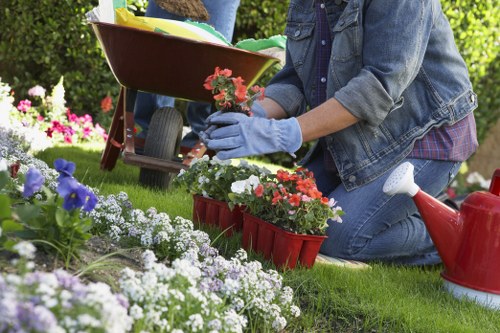
The right paving choice depends on the style of your property, your budget, and how you plan to use the space. A family patio used for dining and play may need a robust, practical surface, while a courtyard at a period property may call for something more decorative. The good news is that there are many options available, and a local installer can help you choose one that feels right for the setting.
Common patio materials include:
- Concrete paving slabs – practical, versatile, and available in many sizes and finishes
- Natural stone – a popular choice for a more premium and timeless appearance
- Porcelain paving – sleek, low-maintenance, and ideal for a clean modern finish
- Sandstone – attractive, characterful, and often chosen for a warmer, more traditional look
- Split-face or textured paving – useful when a more tactile or detailed finish is desired
Colour is just as important as material. Light paving can make a small garden feel brighter and larger, while darker tones can create a striking contemporary look. Mixed tones often work well in older homes, especially where the patio needs to complement brickwork, sash windows, timber fencing, or mature planting. In conservation-minded or period-style settings, it is often worth choosing a finish that sits comfortably with the existing character of the property.
Practical advice: if your patio will be used frequently, think about slip resistance, cleaning needs, and how the surface will look in both wet and dry conditions. A good installer should explain these points clearly and help you select a finish that suits real everyday use, not just a showroom look.
Local knowledge matters in Waltham Forest

One of the biggest advantages of choosing a local team for patio installation in Walthamforest is practical experience with the area’s homes and access conditions. Many properties have narrow side entrances, limited driveway space, shared rear access, or parking restrictions that make deliveries and waste removal more challenging. A local installer who works in the borough regularly will already understand how to plan around these issues.
Local conditions also influence the design itself. Some gardens in Walthamstow and Leyton are long and narrow, which means careful planning is needed to avoid a cramped look. In Chingford and parts of Highams Park, larger gardens may allow for more ambitious layouts, such as split-level patios, stepping-stone paths, or a dining area separated from a quieter seating zone. In Leytonstone and surrounding areas, older properties may have uneven levels or existing structures that require thoughtful integration.
Businesses and communal properties can also benefit from a contractor who knows how to work efficiently in built-up areas. Timing deliveries, keeping disruption low, and maintaining safe access are all important. For landlords and managing agents, a durable patio can reduce maintenance issues while making an outdoor space more appealing to tenants and visitors.
In short, local knowledge helps the work run more smoothly and can improve the final result. That is why a neighbourhood-focused service is often the better choice for customers who want both quality and convenience.
How the patio installation process usually works

Every property is different, but most patio projects follow a clear sequence. Knowing what to expect can make the process easier and help you prepare the space in advance. A professional installer should explain each stage before work starts so you can feel confident about the schedule and the finished outcome.
Step 1: Initial discussion and survey
The process begins by understanding your goals. Do you want a family dining area, a modern low-maintenance surface, a pathway and seating zone, or a patio that links to other landscaping features? At this stage, measurements are taken and the site is checked for slopes, drainage, access, and existing surfaces that may need to be removed.
Step 2: Design and material selection
Once the scope is clear, you can discuss material choices, layout, edge details, and any extras such as steps or borders. This is also the point to consider whether the patio should feel formal and structured or more relaxed and organic. A good design will suit both the property and the way you live.
Step 3: Preparation and groundworks
This is one of the most important parts of the job. The existing surface is removed if needed, the ground is excavated to the correct depth, and a stable sub-base is installed. Good base preparation helps prevent movement, unevenness, and future problems.
Step 4: Laying the patio
The paving is then laid carefully to the chosen pattern and levels. Attention to detail matters here, especially around edges, steps, drainage fall, and transitions to doors or paths. This is where experience really shows in the finished look.
Step 5: Finishing and clean-up
Jointing, edging, and final cleaning complete the job. Once the patio is in place, the area should be left tidy and ready for use, with any agreed waste removed and the surface explained if sealing or ongoing care is recommended.
If you want a patio installed properly first time, book your service now and discuss the best approach for your garden or commercial space.
Preparation checklist for homeowners and landlords
Preparing for a patio project does not need to be complicated, but a few simple steps can make the installation smoother and help prevent delays. This is especially useful where access is tight or the garden is shared with neighbours.
Before work begins, it helps to:
- Clear personal items, plant pots, furniture, and loose ornaments from the working area
- Discuss access routes, side gates, and any parking restrictions
- Check whether you need permission for any changes to boundaries, drainage, or shared spaces
- Identify any utility covers, manholes, or existing features that need to remain accessible
- Think about how the patio will connect to doors, steps, sheds, lawns, or paths
- Let neighbours know if deliveries, noise, or temporary obstruction may affect them
For landlords and property managers, it is useful to think in terms of maintenance and durability. A rental property patio should be hard-wearing, straightforward to clean, and sensible to manage over time. For businesses, the checklist may include safe access for staff, clear walkways for visitors, and a layout that supports regular use without becoming cluttered.
Taking a little time to prepare can make the installation easier and reduce unnecessary disruption. If you are unsure about any of these points, a local installer should be able to advise before the work starts.
Pricing factors to consider
It is natural to want to understand what affects the cost of patio installation in Walthamforest. While exact prices vary from project to project, there are several common factors that influence the overall level of work required. Knowing these in advance helps you compare quotes more confidently and understand where the value lies.
Main pricing factors include:
- Patio size and shape
- Choice of paving material
- How much excavation and ground preparation is needed
- Whether an old patio must be removed first
- Access for materials, equipment, and waste removal
- Drainage requirements and ground levels
- Steps, edging, borders, or decorative features
- Complexity of the layout and finish
Some jobs are straightforward, while others require more planning due to slope, soil conditions, limited access, or the need to tie in with existing landscaping. A good quotation should explain what is included, so you can see whether base preparation, waste disposal, edging, and finishing work are all part of the proposal.
Remember that the cheapest option is not always the best value. A patio that looks fine on day one but lacks a solid base may cost more in the long run. For most customers, the priority is a surface that is well built, tidy in appearance, and suitable for long-term use.
Why choose a local patio company
Working with a local contractor can make a real difference to the experience and the result. A nearby team is more likely to understand local property styles, practical access issues, and the expectations of customers in the area. That local familiarity can save time, reduce stress, and lead to better planning.
Benefits of choosing local include:
- Better understanding of Waltham Forest homes and gardens
- More practical planning for access, parking, and deliveries
- Faster communication during the project
- Greater awareness of common drainage and ground conditions
- More suitable material and design recommendations for local properties
- Support for both domestic and commercial customers across the borough
Local service is also valuable after the installation. If you want to ask about maintenance, sealing, repairs, or a future extension to the patio, it is easier to work with a team that already understands the site. That ongoing familiarity can be reassuring, especially for customers managing larger gardens, multiple properties, or business premises.
When you choose a local team, you are not just buying labour; you are also paying for practical experience, better coordination, and a service shaped around the area.
Areas covered across Waltham Forest
Patio installation services across Waltham Forest can support a wide range of neighbourhoods and property types. Whether you are located near a busy high street, on a quiet residential road, or close to a local park, the same principle applies: the patio should fit the setting and the way the space is used.
Areas commonly served include:
- Walthamstow
- Leyton
- Leytonstone
- Chingford
- Highams Park
- Wood Street and surrounding residential streets
- Other parts of the Waltham Forest borough
Different neighbourhoods often have different requirements. A compact terrace may need a simple paved seating area and a clean path to the rear, while a larger plot might support a full garden redesign with multiple surfaces and levels. Commercial clients may need durable paving for entrances, courtyards, or staff outdoor areas. In every case, the goal is a patio that is safe, attractive, and suited to regular use.
Because local homes vary so much, the most effective patio solutions are rarely one-size-fits-all. A tailored approach usually gives a better finish and better value.
Common customer questions
Many customers considering patio installation ask similar questions before booking. Here are some of the most common ones, answered in a practical way.
How long does a patio installation take?
The timescale depends on the size of the area, how much preparation is needed, and the type of paving chosen. A simple project may be completed relatively quickly, while larger or more complex layouts take longer. Access, weather, and waste removal can also affect timing.
Can a patio be installed in a small garden?
Yes. In fact, patios are often ideal for smaller gardens because they create a usable area without taking up much visual space. Careful planning can make a compact garden feel more open and organised.
Do I need to remove my old patio first?
Not always. Some old patios can be removed as part of the same project, especially if they are uneven, damaged, or no longer suit the space. In other cases, the existing area may be reused or built over if the conditions are appropriate.
What is the best patio for low maintenance?
Many customers choose paving that is easy to clean and does not require much upkeep. The best option depends on your preferred look and how much maintenance you are comfortable with over time. Surface texture, jointing, and colour can all affect maintenance needs.
Can a patio improve drainage?
A well-designed patio can help manage water better than a worn or badly built surface. Drainage should always be considered during planning so that water does not pool near doors or collect in unwanted areas.
Do you work with commercial properties as well as homes?
Yes, patio and paving work can suit both domestic and commercial settings. Shops, cafés, offices, landlords, schools, and other organisations often need hard landscaping that is durable and easy to maintain.
How to get the best result from your patio
The best patios are the ones that feel like a natural extension of the property. To achieve that, it helps to think about the patio as part of the whole outdoor layout, not just a separate slabbed section. Lighting, planting, steps, fencing, and furniture all affect how the space feels and how it is used.
Helpful design considerations include:
- How much sunlight or shade the area gets
- Where doors open out onto the patio
- Whether you want room for dining, lounging, or both
- How the patio connects with lawns, paths, and planting
- Whether privacy screens or boundaries are needed
- How often the area will be used during the week
It can also help to think about future use. A patio that works for two people now may need to support a family gathering later, or the owner of a rental property may want a surface that suits a wider range of tenants. A flexible design makes the space easier to enjoy in the long term.
If you are planning patio installation in Walthamforest, now is a good time to request a free quote and discuss the best layout for your property.
Suitable for domestic and commercial customers
Patio installation is not just for private gardens. In Waltham Forest, many businesses and organisations need external surfaces that are tidy, practical, and easy to maintain. A paved area can improve usability and make a site feel more complete, whether it is used by customers, staff, residents, or visitors.
Examples of suitable projects include:
- Back garden seating areas for family homes
- Courtyard patios for flats or maisonettes
- Outdoor break spaces for offices and workplaces
- Frontage paving for commercial premises
- Shared outdoor spaces for managed properties
- Accessible and level areas around entrances
Commercial customers often need a layout that balances durability with appearance. Domestic customers may be more focused on comfort, style, and making the garden feel more welcoming. A good installer should be able to adapt the approach to suit both needs.
Whether you are improving a private home or a managed site, a professionally installed patio can deliver a cleaner, safer, and more usable outdoor surface.
Final thoughts and next steps
When done properly, a patio is one of the most practical and rewarding upgrades you can make to an outdoor space. It creates a defined area for everyday life, reduces maintenance, and adds structure to gardens and courtyards of all sizes. In a borough like Waltham Forest, where properties and access conditions vary widely, having the work planned and carried out by a local team can make all the difference.
From small rear gardens in Leyton and Walthamstow to larger plots in Chingford and Highams Park, every patio should be designed around the property and the people who use it. The best results come from solid preparation, careful material selection, and a layout that suits your routines. If you are considering an upgrade, now is the right time to explore your options and get the project moving.
Contact us today to discuss your plans, ask about the process, and book your service now. If you are ready to improve your garden or commercial outdoor space, request a free quote and take the next step towards a patio that is built for everyday use in Waltham Forest.