Health and Safety Policy for Landscaping Walthamforest
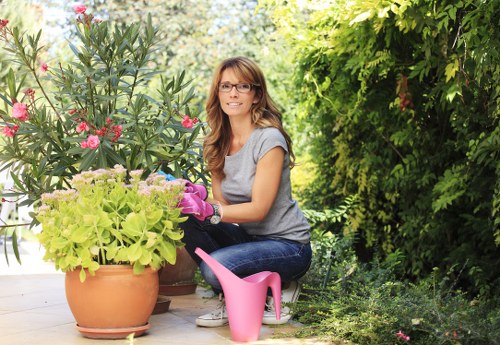 This health and safety policy sets out how our landscaping operations are planned and carried out to protect employees, contractors, clients, and members of the public. Our aim is to manage risk effectively across all outdoor works, from routine garden maintenance to hard landscaping tasks, while maintaining a safe and professional working environment. We believe that safe practice is not separate from quality; it is a core part of every landscaping service we provide.
We are committed to meeting all relevant health and safety requirements and to applying sensible controls that reduce harm. This includes assessing work areas before tasks begin, using suitable equipment, and ensuring that all workers understand the hazards associated with each site. In landscaping Walthamforest projects, conditions can change quickly because of weather, ground surfaces, plant material, machinery, and access limitations, so planning and communication are essential.
 Our policy applies to all activities carried out by the business, including planting, turfing, pruning, lawn care, hedge work, soil movement, paving support, and the use of powered tools. It also applies to subcontracted work and temporary labour where used. Every person involved in a project is expected to act responsibly, follow instructions, and report concerns immediately so that hazards can be addressed before an incident occurs.
Our Safety Principles
Safety is managed through a simple but robust approach: identify hazards, assess the risk, apply controls, and review performance. Before work starts, supervisors will consider the site layout, traffic movement, overhead obstacles, ground stability, hidden services, noise, dust, manual handling demands, and the presence of vulnerable people nearby. A written risk assessment or task briefing will be used where needed, especially for higher-risk or unfamiliar work.
We expect all workers to use equipment correctly and to wear appropriate personal protective equipment, including gloves, eye protection, hearing protection, safety footwear, and high-visibility clothing where required. Landscaping health and safety also depends on good housekeeping. Tools must be stored safely, debris cleared promptly, and pathways kept as free from obstruction as possible. Poor housekeeping can create slips, trips, cuts, and other avoidable incidents.
 Machinery and hand tools must be inspected before use and maintained in safe working order. Defective equipment must be removed from service until repaired or replaced. Guards, safety devices, and manufacturer instructions must always be followed. Workers are not permitted to use equipment for which they have not been trained or authorised, and no one should bypass safety controls for speed or convenience.
Safe Working Practices
Site Checks and Planning
Each job begins with a site review to identify specific hazards, including uneven ground, wet surfaces, buried services, unstable structures, or animal waste. Where necessary, access routes and working zones will be marked out to protect workers and the public. In Walthamforest landscaping environments, small gardens, shared access paths, and busy surroundings may require extra care with movement of materials and equipment.
Manual handling is a key concern in landscaping because loads may be heavy, awkward, or moved over uneven terrain. Tasks should be broken down where possible, lifting aids used when available, and team lifts arranged for bulky items such as sleepers, paving, compost, or machinery. Workers should be encouraged to take breaks, stay hydrated, and report fatigue, especially during warm weather or prolonged physical activity.
Weather conditions can affect safety significantly. Rain, frost, high winds, and extreme heat may all make outdoor work more hazardous. Work should be paused or adjusted if conditions become unsafe. Protective measures may include improved grip footwear, task rescheduling, shaded rest areas, and extra supervision. We will not pressure staff to continue work where doing so would create an unacceptable risk.
Training, supervision, and communication are essential to our policy. All staff will receive appropriate instruction in safe methods of work, emergency procedures, equipment use, and hazard awareness. New workers and less experienced operatives will be supervised closely until they demonstrate competence. Safety information must be shared clearly, and any changes to task plans should be explained before work continues.
Emergency preparedness is also part of our approach. First aid materials should be available on site where required, and at least one person on each team should understand the emergency process for the job. If an accident, near miss, or unsafe condition occurs, work must stop if necessary so the situation can be controlled. Incidents should be reported promptly and reviewed to prevent recurrence. Learning from near misses helps improve future performance and supports a safer workplace.
 We also expect environmental and public safety to be considered at all times. Tools and materials must not block entrances, driveways, or shared routes without permission and clear control measures. Noise, dust, and waste should be managed to reduce inconvenience and risk to others. When working near roads, footpaths, or occupied properties, workers must remain alert and maintain clear boundaries between the work area and the public.
Responsibilities and Review
 Management holds overall responsibility for implementing this policy, providing resources, and ensuring that procedures are followed. Supervisors are responsible for day-to-day monitoring, while all workers are responsible for taking reasonable care of themselves and others. Everyone must cooperate with safety arrangements, use equipment correctly, and speak up if they notice a hazard or unsafe practice.
This policy will be reviewed regularly to ensure it remains effective, practical, and up to date with current working methods. Updates may be made following changes in equipment, work activities, legislation, or incident findings. The goal is continuous improvement: safer working methods, stronger planning, and a consistent commitment to safety in landscaping across every project we undertake.