Garden design and build in Walthamforest
If you are looking for garden design and build in Walthamforest, you are probably hoping for more than a neat border or a quick tidy-up. Most local homeowners and businesses want an outdoor space that feels planned, practical, and suited to the way they live or work. In a borough with a wide mix of housing styles, compact plots, side returns, terraces, maisonettes, and larger family gardens, a well-designed outdoor area can make a huge difference to everyday life. Whether you want a calm place to relax, a family-friendly layout, a smarter frontage, or a commercial outdoor space that works harder for your business, the right design-and-build approach can bring the whole project together from the first sketch to the final planted detail.
Working with a local team in Waltham Forest also matters because the area has its own practical challenges and opportunities. Narrow access routes, parking restrictions, shared boundaries, older garden walls, overlooked spaces, and mixed soil conditions all affect how a garden can be planned and built. A contractor familiar with local streets and property types is better placed to think through materials, access, waste removal, drainage, privacy, and layout before any work begins. That means your finished garden is more likely to suit the realities of the site, not just the look you had in mind.
Garden design and build is especially useful if you want one company to handle the process from ideas through construction. Instead of trying to coordinate separate trades and hope everything lines up, you can work with a team that understands how paths, patios, planting, fencing, lighting, and levels all fit together. For many customers in Walthamforest, that joined-up approach saves time, reduces stress, and results in a more polished finish. If you are planning a transformation and want to know what is possible in your space, now is the right time to start the conversation and request a free quote.
Why local garden design matters in Walthamforest
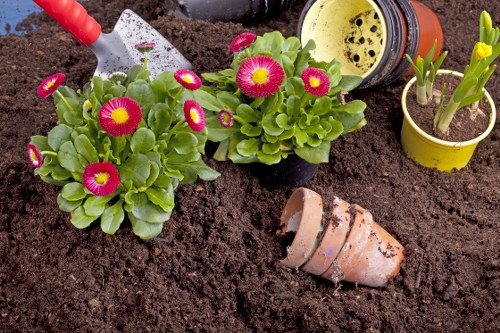
Waltham Forest is varied, and that variety is one of the reasons a local garden designer and builder can add real value. Some homes have small rear gardens where every centimetre counts, while others have long plots that need zones for dining, play, storage, and planting. Many properties sit close to neighbouring homes, so privacy and screening are important. Front gardens also need to balance appearance with access, bins, bikes, and practical movement in and out of the house. A good design should reflect the way you actually use your property, not just the way it looks on paper.
Local knowledge also helps when it comes to materials and structure. In London boroughs like Waltham Forest, many gardens benefit from hardwearing surfaces, sensible drainage solutions, and planting that can cope with a mix of shade, wind, and urban conditions. The right choices can reduce maintenance and improve year-round appearance. For example, a paved terrace may need to be laid with care to avoid pooling water, while planting beds may need better soil preparation to help shrubs and perennials thrive. These details matter because they affect how the garden performs after the project is complete.
There is also the matter of access and logistics. Terraced streets, controlled parking, and limited side access can make garden building more complicated than people expect. A local team accustomed to working across the borough will usually plan deliveries, equipment movement, material storage, and waste removal in a more efficient way. That can reduce disruption for you and for your neighbours. It also means the build stage is less likely to stall because of avoidable practical problems.
What a garden design and build service can include

Every project is different, but a full garden design and build in Walthamforest service usually combines creative planning with hands-on construction. Some customers want a complete redesign, while others need selected improvements such as new paving, fencing, planting, or better use of a narrow outdoor space. The benefit of using one service is that the design can be developed with the build in mind, so the final result is more realistic and easier to maintain.
Depending on your needs, the service can include a range of elements such as layout planning, hard landscaping, soft landscaping, and finishing touches. A good design will think about how the garden flows from the house, where people will walk, how much sun different areas receive, and what kind of atmosphere you want to create. The build stage then brings those ideas to life using suitable materials and careful workmanship. For many local customers, it is this combination of planning and construction that turns an underused plot into a genuinely valuable part of the property.
Common features included in garden design and build projects are:
- Patios and seating areas for dining or relaxing
- Decking, pathways, and stepping stone routes
- New turf or artificial grass for low-maintenance use
- Raised beds and planting schemes
- Timber or composite fencing and screening
- Sleepers, retaining edges, and level changes
- Garden lighting and feature areas
- Storage solutions, bins screens, and practical access points
Designing for the way local customers actually live
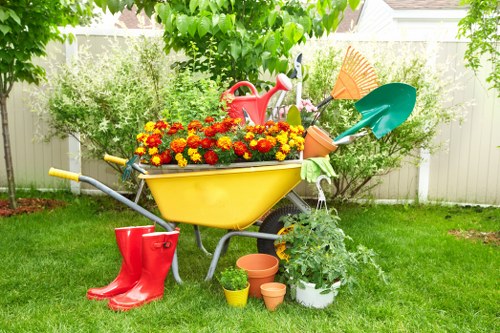
One of the biggest advantages of a tailored garden project is that it can be shaped around how you use your outdoor space every day. Some Waltham Forest households want a child-friendly garden with room for play, safe surfaces, and clear visibility from the house. Others want a more peaceful retreat with planting, shade, and somewhere to sit in the evening. Many people need a bit of both. A thoughtful layout can make a small or awkward garden feel much larger and more flexible than it is now.
Garden design and build in Walthamforest is also valuable for customers who entertain often. If your space is currently uneven, muddy, or split into disconnected sections, it can be hard to host guests comfortably. By planning a level patio, a central lawn or gravel area, and planting that frames rather than blocks the view, you can create a garden that works better for social use. Good design also considers lighting, privacy from surrounding windows, and storage so the garden looks smart when it is not in use.
For commercial customers, the goals are different but equally important. Restaurants, offices, schools, nurseries, housing schemes, and local businesses may need outdoor areas that are durable, easy to manage, and visually tidy. That might mean seating zones, boundary improvements, better surfacing, or planted areas that make an entrance feel more welcoming. A commercial project should balance presentation with long-term practicality, especially where foot traffic is frequent and maintenance time is limited.
Popular project types across Waltham Forest
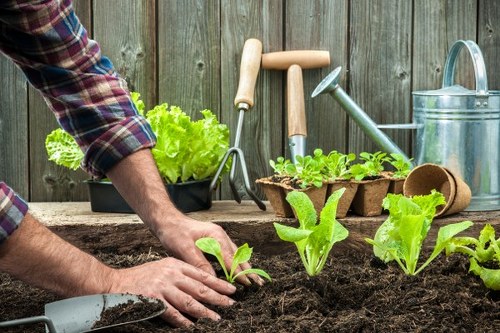
Waltham Forest includes a broad mix of locations and property styles, from terraced homes and converted flats to larger gardens and commercial premises. That means the same kind of outdoor work is not always the right fit from one address to the next. A good local service will adapt the design to the site, the budget, and the way the space will be used. For example, a narrow garden in Leytonstone may need vertical planting, slimline pathways, and discreet storage, while a family garden in Chingford could benefit from layered planting, lawn space, and a more generous patio.
Some of the most requested project types include full garden makeovers, modern low-maintenance gardens, traditional planting-led schemes, and practical outdoor improvements for rental or buy-to-let properties. Many homeowners want to improve kerb appeal at the front as well as functionality at the back. Others may need the garden redesigned after an extension, loft conversion, or internal renovation. In each case, the goal is to make the outside space feel like part of the property rather than an afterthought.
Popular options for local properties include:
- Small garden design for terraces and compact plots
- Family garden build with safe, usable surfaces
- Low-maintenance landscaping for busy households
- Front garden redesign for better access and appearance
- Courtyard and side-return improvements
- Commercial outdoor upgrades for businesses and shared spaces
How the process usually works
Most customers want to know what happens once they decide to move forward. A well-run garden project should feel clear and manageable from the beginning. While every site is different, the process usually starts with a discussion about your goals, the current condition of the garden, and how you would like to use the finished space. This first stage is important because it helps define what is realistic, what needs to change, and where the design should focus.
The next stage is usually a site assessment. This allows the team to look at access, levels, existing features, soil conditions, drainage, sunlight, and any boundaries or structures that may affect the work. In Waltham Forest, this stage is especially useful because older gardens can hide issues such as uneven ground, tired retaining edges, poor drainage, or neglected paving. Once the site is understood, the design can move toward a layout that suits both the look and the practical conditions of the property.
After the plan is agreed, the build phase begins. This may involve clearing the existing garden, preparing the ground, installing hard landscaping, constructing raised features, laying turf, planting, and completing any finishing touches. A local team will usually organise the work in sensible phases to minimise disruption and keep the site tidy. At the end, the aim is not just to hand over a nice-looking garden, but a space that is usable, durable, and easy for you to maintain.
Typical stages in a garden build
- Initial discussion and brief
- Site visit and practical assessment
- Concept design and material direction
- Build scheduling and preparation
- Groundworks and structural elements
- Paving, planting, turfing, fencing, or decking
- Final detailing and tidy completion
Materials and finishes that suit local gardens
Choosing the right materials is a big part of getting the best result. In Walthamforest, many clients look for a mix of style, durability, and easy upkeep. Natural stone, porcelain paving, concrete slabs, timber, composite decking, gravel, and quality turf all have their place depending on the style of the property and the use of the garden. A strong design should not simply copy a fashionable look; it should use materials that suit the space, the drainage conditions, and the level of maintenance you are comfortable with.
Practicality is often just as important as appearance. For example, a family garden that gets a lot of foot traffic may need a surface that is easy to clean and resistant to wear. A shaded garden might benefit from planting choices that can tolerate lower light levels. A small rear yard may work best with a limited number of materials so it feels calm rather than cluttered. In many cases, the best finish is one that looks good now and still feels sensible several years later.
Finishes should also reflect the property itself. A period home in Waltham Forest may suit softer planting and classic paving, while a more modern extension might look better with clean lines and a simpler layout. The point is not to follow a rigid formula, but to create a space that feels appropriate to the building and useful for the people who live or work there. That kind of considered approach is what sets a tailored project apart from a quick cosmetic refresh.
Preparing your garden before work begins
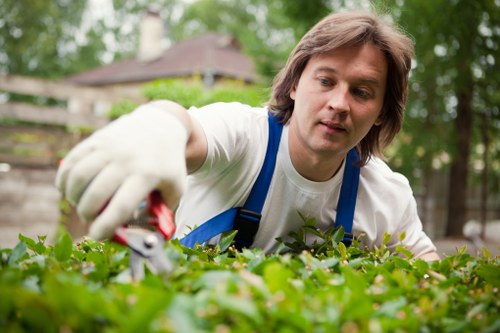
There are a few simple things customers can do to help the project start smoothly. You do not need to clear the entire garden yourself, but a little preparation can save time and make the site easier to work in. If you are planning a significant transformation, it is helpful to think about what needs to stay, what should be removed, and which areas you will still need access to during the works. This is especially relevant in terraced streets and tightly packed residential areas where storage and movement are limited.
Good preparation also includes practical communication about pets, parking, side access, neighbour considerations, and shared boundaries. If waste removal will be needed, or if materials need to be brought through a property, it is worth discussing this early. Local access conditions in Waltham Forest can vary a lot from one road to the next, so the more information the team has before starting, the easier it is to plan the job safely and efficiently. This kind of early organisation helps the project run more smoothly from day one.
Useful preparation steps include:
- Removing personal items, toys, and garden furniture if possible
- Identifying plants or features you want to keep
- Making note of any drainage issues or wet areas
- Checking where access can be provided for tools and materials
- Letting the team know about parking or timing restrictions
- Discussing any concerns about boundaries or neighbouring gardens
What affects pricing on a garden project?
Customers often ask what influences the cost of garden design and build work. The honest answer is that it depends on the size of the space, the complexity of the design, the condition of the existing garden, and the materials selected. A compact courtyard with straightforward paving and planting will usually involve a different level of work from a large family garden with multiple zones, retaining walls, drainage improvements, and custom features. Because every site is different, it is best to request a tailored quotation rather than rely on rough assumptions.
Several factors can affect the overall scope of the project. Difficult access may increase labour time. Uneven ground or old structures may need extra preparation before the new design can be built. Premium materials can transform the appearance and lifespan of the garden, but they also change the budget. Additional items such as lighting, irrigation, screening, or bespoke storage can be added if they suit the brief. A clear conversation about priorities helps ensure the finished project focuses on the elements that matter most to you.
When comparing options, look beyond the initial figure and think about the value of good planning, sound construction, and appropriate materials. A well-built garden should be more than attractive on completion day. It should continue to work well through changing seasons and regular use. That is especially important for local homeowners who want to improve their property in a way that feels lasting and sensible.
Pricing factors often include
- Garden size and shape
- Access for equipment and materials
- Ground preparation and clearance needs
- Type and quantity of paving, timber, turf, or planting
- Retaining walls, steps, and level changes
- Lighting, drainage, irrigation, and finish details
- Whether the work is residential or commercial
Why choose a local company for garden design and build in Walthamforest
There are many reasons local customers prefer a team based around Waltham Forest and the surrounding neighbourhoods. Familiarity with the area means a better understanding of the typical plots, access issues, and common property styles. It also helps when jobs require coordination around local traffic patterns, parking constraints, or narrower residential streets. A local company is often better placed to plan realistically from the outset, which can help avoid delays later.
Another advantage is communication. When your designer and builder work locally, it is often easier to arrange site visits, refine details, and keep the project moving at a practical pace. That matters for customers who want a smooth experience rather than a drawn-out process with too many handovers. Local teams are also more likely to understand how outdoor spaces are used in the borough, from family gardens near schools to compact spaces serving busy professionals and landlords.
Choosing local can also support better continuity. If the same team is involved in the design and build, there is less chance of miscommunication between different contractors. The result can be a more cohesive garden with a clearer style and a stronger finish. For many homeowners and businesses, that consistency is one of the main reasons to request a free quote from a specialist team rather than piecing together separate services.
Areas covered across and around Waltham Forest
Garden projects are often booked across the wider borough and nearby parts of East and North East London. If you are based in one of the local neighbourhoods below, it is worth speaking to a team that understands the area’s mix of housing and outdoor spaces. Familiarity with different parts of the borough can help when planning access, materials, and the most suitable style of garden for the setting.
- Walthamstow
- Leyton
- Leytonstone
- Chingford
- Woodford borders
- Highams Park
- Whipps Cross vicinity
- Blackhorse Road and surrounding residential areas
Projects are also commonly needed for homes near busy high streets, quieter residential roads, and mixed-use areas where outdoor space has to serve a practical purpose as well as look good. Whether the garden is attached to a flat, a terrace, a semi-detached house, or a commercial property, the same principle applies: the layout should suit the site and the people using it. That is where a well-planned local service makes a clear difference.
Frequently asked questions
How long does a garden design and build project take?
Timelines vary depending on the size of the garden, the complexity of the design, the materials involved, and the condition of the existing space. A straightforward project may take less time than a full redesign with structural features and planting. The best way to understand the likely timeframe is to discuss your brief and site conditions in detail at the quotation stage.
Can you work with a small garden or courtyard?
Yes. Small spaces often benefit the most from careful design because every decision has an impact. With the right layout, even a compact garden can feel more open, usable, and attractive. Features such as slim pathways, built-in seating, vertical planting, and well-chosen paving can make a significant difference.
Do you handle both residential and commercial work?
Yes, many design-and-build services work across both sectors. Homeowners may want a family garden, modern patio, or low-maintenance layout, while commercial clients may need practical, presentable outdoor areas that are easy to maintain and suitable for daily use. The design approach should always reflect the needs of the property and the people using it.
What if my garden has poor drainage or uneven ground?
These are common issues in older gardens and should be addressed as part of the planning stage. A proper site assessment helps identify the cause of drainage problems or level changes so the design can include appropriate solutions. Fixing these issues early often helps protect the long-term performance of the finished garden.
Do I need to know exactly what I want before asking for a quote?
No, you do not need a finished plan. Many customers start with a few ideas, a rough budget, or a list of problems they want to solve. A good local team can help shape those ideas into a practical design and explain what is realistic for the space. If you are unsure where to begin, that is completely normal.
Can the garden be built in stages?
Yes, staged work is sometimes the best option, especially if you want to spread improvements over time. You might begin with paving and access, then add planting, screening, and lighting later. A phased approach can still produce a cohesive result as long as the overall plan is considered from the start.
Book your garden project with a local Waltham Forest team
If your outdoor space is ready for a proper transformation, now is the time to take the next step. Whether you need a full redesign, a new patio, better planting, stronger boundaries, or a smarter layout for everyday use, garden design and build in Walthamforest can turn a difficult garden into a space that works for you. The most effective projects begin with clear ideas, honest advice, and a team that understands local homes, local access issues, and local expectations.
From the first conversation to the final finishing touches, the aim should be a garden that feels like a natural extension of your property. If you are planning improvements to a home, rental property, or commercial site in Waltham Forest, contact us today to discuss your project and request a free quote. Book your service now and start turning your outdoor area into a space you can actually enjoy.