Landscaping Walthamforest: Creating Beautiful, Functional Outdoor Spaces That Thrive
 Landscaping Walthamforest is about much more than improving the way a garden looks. In a borough as characterful and varied as Waltham Forest, outdoor spaces often need to balance beauty, practicality, privacy, biodiversity, and year-round usability. From compact urban courtyards to family gardens, front plots, shared communal areas, and larger residential landscapes, thoughtful design can transform an ordinary space into something that feels calm, useful, and inviting. The best results come from understanding the setting, the soil, the light, the architecture, and the way the space will actually be used over time.
When people think about landscaping in Walthamforest, they often imagine lawns, plants, and paving. In reality, a well-planned landscape involves a blend of structure, texture, seasonal planting, drainage, access, and atmosphere. It is the combination of these elements that gives a garden character. A successful outdoor space should feel like an extension of the home, with features that suit the property and the people who live there. Whether the goal is low maintenance, wildlife value, entertaining space, or a more polished finish, careful landscaping can make a significant difference.
Waltham Forest has a distinctive mix of homes, from Victorian terraces and converted flats to newer developments and suburban properties. That variety means no two gardens are the same, and no two landscaping projects should be approached in exactly the same way. A skilled approach to Landscaping Walthamforest takes into account narrow plots, shaded areas, overlooked spaces, sloping ground, and the need for materials and planting that suit local conditions. The most attractive gardens are rarely the most complicated; they are usually the ones where every element has a purpose and contributes to the whole.
Why Landscaping Matters in Waltham Forest
Good landscaping can completely change how a property feels. It can make a small garden appear larger, turn an awkward corner into a useful feature, and create a more welcoming atmosphere at the entrance to a home. In densely populated areas, outdoor space is often limited, so making use of every square metre matters. Thoughtful garden design can create zones for relaxation, dining, children’s play, planting, storage, and visual interest without making the area feel crowded.
In Waltham Forest, where many properties experience a mix of sun and shade throughout the day, landscaping needs to respond intelligently to the site. This can mean choosing resilient planting for partially shaded borders, using reflective surfaces to brighten dark areas, or installing layers of greenery to soften hard edges. The goal is not simply to decorate the garden, but to shape a space that works well in daily life. That is why landscaping services in Walthamforest are often sought by homeowners who want long-term value rather than a short-term cosmetic fix.
Another important reason landscaping matters is that it helps improve the experience of being outdoors across the seasons. A garden that looks good in spring but becomes dull or difficult in autumn and winter has not been fully considered. With the right combination of evergreen structure, flowering plants, paving, lighting, and durable materials, a landscape can remain attractive and usable throughout the year. This is especially valuable in urban settings where a garden may be one of the few places to relax in privacy.
Key Elements of a Successful Landscape
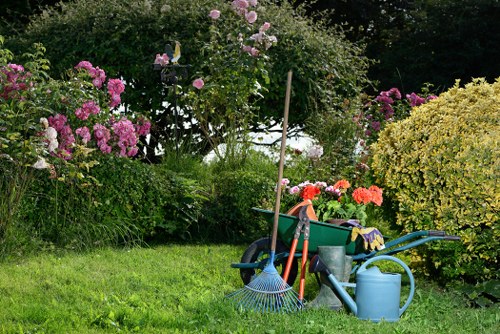 The strongest landscapes are built around a clear sense of structure. Paths, patios, edging, retaining walls, and steps define the space and make it easier to navigate. These features are often the backbone of the design, allowing planting and softer details to sit comfortably around them. In Landscaping Walthamforest projects, structure is particularly important because many gardens are compact, irregular, or split into functional zones that need to connect smoothly. A simple layout done well often creates more impact than a busy design with too many competing elements.
Planting is equally important. A good planting scheme adds depth, movement, scent, colour, and seasonal change. It can also support local wildlife and reduce the need for constant maintenance. Shrubs, perennials, grasses, climbers, and small trees all play different roles in the landscape. In many Waltham Forest gardens, planting is used to soften fencing, frame seating areas, create privacy, or bring life to a hard surface-heavy space. Choosing plants for the right light levels, soil type, and available space is essential if the garden is to flourish.
Materials also shape the personality of a garden. Natural stone, porcelain, gravel, timber, composite decking, brick, and decorative aggregates each create a different look and feel. The best choice depends on the style of the house, the intended use of the space, and practical considerations such as drainage and upkeep. For example, a contemporary property may benefit from clean lines and pale paving, while a period home might look better with softer, more traditional materials. Strong landscaping in Walthamforest often comes from combining materials in a way that feels coherent and balanced.
Designing for Small Gardens and Urban Spaces
Many homes in the borough have modest outdoor areas that require careful planning. Small gardens can be especially rewarding because a few well-considered decisions can transform them dramatically. Vertical planting, raised beds, multi-use seating, slimline storage, and compact paving layouts can make a tight space feel more open and efficient. The challenge is to avoid overfilling the garden while still making it visually rich and practical.
In smaller spaces, proportion matters. Oversized features can overwhelm the area, while too many tiny features can make it feel cluttered. The right balance is usually found by creating a clear focal point and then supporting it with understated details. For example, a neatly paved terrace surrounded by layered planting may feel more spacious than a garden filled with many separate materials. Landscaping Walthamforest solutions for compact plots often rely on clever visual tricks, such as continuous lines, limited materials, and consistent planting rhythm, to create a sense of flow.
Privacy is another major consideration. Urban gardens can be overlooked by neighbouring windows or higher buildings, so landscaping often needs to create a feeling of enclosure without making the space dark. Trellises, climbing plants, pleached trees, bamboo screens, and layered hedging can all help create a softer boundary. When used thoughtfully, these features improve both comfort and style, allowing the garden to feel like a secluded retreat even in a busy residential area.
Hard Landscaping and Soft Landscaping Working Together
Effective garden design relies on the relationship between hard landscaping and soft landscaping. Hard landscaping refers to the built elements such as patios, fences, walls, paths, pergolas, driveways, and steps. Soft landscaping refers to living elements such as turf, shrubs, trees, flowers, and soil preparation. Neither should dominate completely; the most successful projects bring them together in a way that feels natural and integrated.
In Waltham Forest, hard landscaping often provides much-needed order and usability. A carefully laid path can improve access, a raised terrace can create a dry sitting area, and a retaining wall can solve levels issues while adding visual interest. Soft landscaping then brings warmth and softness to the structure. Planting can break up large paved areas, provide seasonal variety, and create a more welcoming atmosphere. When the two are planned together, the result is a garden that feels designed rather than assembled.
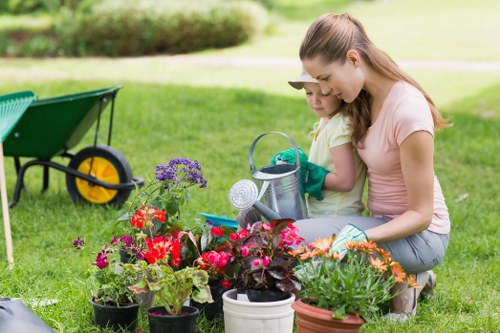 This balance is also important for maintenance. Too much hard landscaping can make a garden feel stark and increase surface runoff, while too much planting without structure can become hard to manage. By combining durable surfaces with purposeful planting, a landscape can stay attractive with a sensible level of care. That is especially important for busy households, landlords, and homeowners who want their gardens to look good without requiring constant attention.
Choosing Plants That Suit Waltham Forest Conditions
Plant choice is one of the most decisive parts of any landscaping project. The plants selected should suit the local microclimate, the amount of sunlight available, the soil conditions, and the intended style of the garden. In Waltham Forest, gardens may experience sheltered conditions, partial shade from buildings or mature trees, and variable moisture levels depending on the site. Choosing robust, adaptable plants is often the key to long-term success.
For structure, evergreens such as box alternatives, laurel, sarcococca, pittosporum, or selected conifers can help maintain year-round form. For seasonal colour, perennials like salvias, echinacea, geraniums, and alliums can provide interest without becoming too demanding. Grasses can introduce movement and texture, while climbers such as jasmine, clematis, and honeysuckle can make use of vertical space. In many landscaping in Walthamforest schemes, the best planting plans mix dependable backbone plants with more expressive seasonal highlights.
Wildlife-friendly planting is increasingly valued by homeowners who want gardens that feel alive and environmentally responsible. Nectar-rich flowers, berry-bearing shrubs, and native planting can attract pollinators and birds while creating a more varied visual experience. This does not mean a garden must look untidy or overgrown. A well-designed wildlife-friendly landscape can still be elegant, tidy, and modern. It simply means the planting palette supports both beauty and ecological value.
Improving Drainage and Ground Conditions
Drainage is one of the most practical issues in landscaping, especially in properties where soil has become compacted or where heavy rainfall can leave areas waterlogged. Poor drainage affects lawns, planting, paving, and the overall usability of the garden. A good landscaping project will consider how water moves across the site and whether any improvements are needed before new surfaces or planting are installed.
In some Waltham Forest gardens, the solution may involve soil improvement, the use of permeable materials, French drains, or carefully graded surfaces that direct water away from key areas. Raised beds can also help by improving root conditions and creating useful planting zones above difficult ground. Where paving is used, selecting suitable sub-base preparation and drainage-friendly materials can reduce the risk of standing water. These technical details may not be visible in the finished garden, but they are essential to its long-term success.
Healthy soil supports healthy planting, and both depend on good preparation. Adding compost, loosening compacted ground, and understanding nutrient levels can make a noticeable difference to the performance of the garden. Even the most attractive design will struggle if the ground beneath it is neglected. That is why professional landscaping Walthamforest projects often begin with a close look at what lies below the surface, not just what will be seen above it.
Outdoor Living and Entertaining Spaces
Many homeowners now want gardens that function as outdoor rooms. This means more than placing a table and chairs outside. It involves creating areas that feel comfortable, sheltered, and visually connected to the home. Patios, pergolas, seating walls, fire features, outdoor kitchens, and subtle lighting can all help create a usable and enjoyable space for everyday life and special occasions.
In a borough like Waltham Forest, where outdoor space may be limited, the idea of outdoor living can be adapted to suit different gardens and budgets. A modest terrace with room for seating and planting can be just as effective as a larger entertaining area if it is thoughtfully arranged. The key is to match the design to the lifestyle of the people using it. A family garden may need robust materials and open circulation, while a quieter space may focus more on planting and a calm atmosphere.
Comfort is not only about furniture. Shade, wind protection, and lighting all influence how much a garden can be enjoyed. A well-positioned screen or pergola can make a sunny patio more comfortable. Soft lighting can extend the use of the garden into the evening. By considering these practical details, Landscaping Walthamforest projects can turn outdoor areas into spaces that feel genuinely livable rather than purely decorative.
Front Gardens, Kerb Appeal, and First Impressions
The front garden sets the tone for the property as a whole. It is often the first part of the home that visitors and passers-by notice, and it can have a strong impact on kerb appeal. A front landscape should be attractive, tidy, and suited to the style of the house, but it should also serve practical purposes such as access, bin storage, bike storage, and low-maintenance upkeep.
In Waltham Forest, front garden landscaping often focuses on neat paving, planting borders, privacy screening, and careful boundary treatment. A clean layout can make a house appear more inviting and well cared for. Using a mix of surfaces and planting can prevent the area from feeling too hard or too bare. Even a narrow front plot can be improved with subtle details such as low hedging, decorative planters, and a strong entrance path. These touches can make the entire property feel more polished.
For homes where parking is a priority, landscaping must also consider durability and access. Surfaces need to support regular use while still complementing the architecture. The best landscaping Walthamforest designs for front areas manage to be both practical and visually appealing, proving that everyday function and style do not need to conflict.
Low-Maintenance Landscaping That Still Looks Great
Not every homeowner wants to spend a great deal of time maintaining a garden, but that does not mean settling for a dull space. Low-maintenance landscaping can be stylish, modern, and full of character if the right choices are made. Durable paving, simple planting palettes, evergreen structure, gravel areas, and robust edging can all reduce upkeep while still creating visual interest.
One of the best approaches is to limit unnecessary complexity. A garden with a clear layout and fewer high-maintenance features is often easier to care for and more enjoyable to use. This might mean replacing a difficult lawn with a gravel-and-planting scheme, choosing shrubs that do not require frequent pruning, or designing borders that suppress weeds more effectively. In many landscaping in Walthamforest projects, the aim is not to remove nature from the garden, but to make nature easier to live with.
Low-maintenance design is especially useful for busy families, older homeowners, or anyone who prefers a garden that remains tidy without a lot of effort. When done well, it creates a sense of calm and order. A landscape should support the way people live, not create an extra burden. That principle is at the heart of practical, attractive garden design.
The Role of Lighting in Landscape Design
Outdoor lighting can dramatically improve the way a garden looks and feels after dark. It also enhances safety, visibility, and usability. Subtle lighting along paths, around seating areas, and within planting beds can bring depth and mood to a landscape. Rather than flooding the space with brightness, a more refined approach often works better, using layered illumination to highlight key features.
In urban gardens, lighting can make small areas feel more inviting and secure. It can also extend the enjoyment of patios and terraces into the evening. Warm-toned lights tend to create a softer atmosphere, while well-placed spotlights can draw attention to trees, walls, water features, or textured materials. As part of Landscaping Walthamforest, lighting is often what allows the garden to become a full-time living space rather than something only appreciated in daylight.
Lighting should always be integrated carefully with the rest of the design. Too many fittings can create glare and spoil the mood, while too few can leave important areas underused. The most successful schemes are subtle, purposeful, and well-positioned, adding both practicality and a sense of atmosphere.
Texture, Colour, and Seasonal Interest
A visually compelling garden depends on more than shape alone. Texture, colour, and seasonal change bring the landscape to life. Smooth paving can be contrasted with rough bark mulch, glossy leaves with fine grasses, and bright flowers with muted evergreen backdrops. These combinations help create depth and personality. Even simple gardens can feel rich and layered when they are composed with attention to contrast.
Seasonal interest is particularly valuable because it ensures the garden remains engaging throughout the year. Spring bulbs, summer blooms, autumn foliage, and winter structure each contribute at different times. A successful planting scheme usually includes a sequence of interest so that the garden does not feel flat at any point in the year. This is one reason why landscaping services in Walthamforest often emphasise both immediate visual impact and long-term performance.
The best gardens do not rely on one spectacular moment. Instead, they build interest gradually, offering something new at every turn and every season. A well-designed landscape becomes more attractive over time as plants mature and the relationships between materials, light, and structure become more established.
Creating a Garden That Reflects the Home
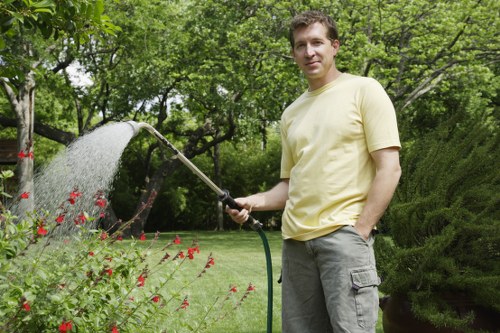 A landscape works best when it feels connected to the architecture of the property. A garden beside a traditional terrace will usually benefit from a different approach than one attached to a modern townhouse or a detached suburban home. Matching the style of the planting and materials to the character of the building creates harmony. That does not mean everything has to be identical, but the relationship between home and garden should feel intentional.
For period properties, softer curves, brick details, and classic planting can help preserve a sense of continuity. For contemporary homes, sharper lines, minimal planting, and restrained materials may be more appropriate. In both cases, the garden should feel like part of the same design language as the house. This coherence is one of the hallmarks of high-quality Landscaping Walthamforest work.
The homeowner’s preferences matter just as much as the property style. Some people want a social space for gatherings, while others prefer a peaceful retreat filled with greenery. Some need family-friendly practicality, and others want a refined front or rear garden that enhances the value and visual appeal of the home. A good landscape responds to those priorities with clarity and care.
Long-Term Value of Professional Garden Design
Investing in a well-planned landscape can add lasting value in multiple ways. It improves everyday enjoyment, enhances kerb appeal, increases usability, and often reduces maintenance issues over time. A thoughtfully designed garden is more likely to age gracefully because the materials, planting, and layout have been selected with durability in mind. This is particularly important in areas where property owners want both immediate results and dependable performance.
The benefits are not purely financial. A good garden can support well-being, encourage outdoor activity, and create a sense of pride in the home. It can provide space to relax, entertain, grow plants, or simply enjoy a more attractive view from inside the house. In that sense, landscaping in Walthamforest contributes to quality of life as much as to property appearance.
Well-executed gardens also tend to be more adaptable. As needs change, a structured landscape can be updated with new planting, new seating, or new features without losing its underlying coherence. That flexibility makes it a practical investment for the future as well as a present-day improvement.
Bringing It All Together
Great gardens are the result of thoughtful decisions, good preparation, and an understanding of how people use space. In Waltham Forest, where outdoor areas can vary significantly in size, shape, and conditions, landscaping needs to be responsive and imaginative. The most effective designs combine structure and softness, practical use and visual appeal, permanence and seasonal change. They are attractive because they are functional, and functional because they are carefully designed.
From compact courtyards to family-friendly lawns, from front gardens to entertaining terraces, every outdoor area has the potential to become more enjoyable and more beautiful. With the right balance of hard landscaping, planting, drainage, and materials, Landscaping Walthamforest can turn underused spaces into gardens that feel purposeful, welcoming, and resilient. The real value lies in creating a landscape that works today and continues to improve over time.
Landscaping Walthamforest is ultimately about shaping spaces that suit the local environment and the people who live there. Whether the aim is elegance, comfort, low maintenance, biodiversity, or all of these together, a well-designed garden can make a home feel more complete and more enjoyable every day.
Fresh Ideas for Modern Outdoor Spaces
As lifestyles change, garden design continues to evolve. Modern outdoor spaces often need to do more than ever before. They may need to support working from home breaks, family play, quiet reading, socialising, gardening, and visual enjoyment all within the same footprint. This is where skilled landscaping becomes especially valuable. By planning the garden in zones and making each area serve a purpose, the outdoor space can feel more generous than it actually is.
One increasingly popular approach is to create a layered garden that offers different experiences at different distances from the house. Close to the home, a paved dining area or terrace might provide convenience and easy access. Further out, planting and softer surfaces can create a transition into a more restful zone. Even in smaller properties, this sense of progression adds depth and makes the garden feel more immersive. In Landscaping Walthamforest, these layered layouts are often a smart way to make compact plots feel richer.
Another fresh idea is the use of repeated design motifs. Repetition creates unity. This might involve repeating the same paving material in different sections, using the same group of plants several times through the border, or echoing a shape in fencing, seating, and edging. Such repetition helps the eye move comfortably through the space. It also prevents the design from feeling fragmented, which can be a risk when many features are introduced into a small or irregular garden.
Respecting Nature While Improving the Garden
 Modern landscaping is increasingly mindful of nature. Homeowners often want spaces that look refined while also supporting a healthier environment. This can be achieved in many ways, including using permeable surfaces where suitable, reducing unnecessary lawn area, choosing pollinator-friendly plants, and incorporating habitats such as log piles, hedges, or small trees. A garden does not need to be wild to be environmentally considerate. It simply needs to be planned with care.
In Waltham Forest, where many residents value green space highly, this balance between design and ecology is particularly important. A garden that supports wildlife can feel more dynamic and rewarding. Birds, bees, butterflies, and beneficial insects all bring extra life to the space. At the same time, the garden remains structured, tidy, and easy to use. That is one of the great strengths of modern landscaping in Walthamforest: it can combine elegance with responsibility.
Nature-sensitive design also supports resilience. Plants that are well chosen for the site are more likely to cope with weather changes and seasonal variation. Soil that is healthy and well prepared is more likely to support strong growth. Materials that are durable and appropriate for the intended use are more likely to last. These choices reduce waste and improve the lifespan of the garden, making the investment more worthwhile in the long term.
Final Thoughts on Landscaping in Waltham Forest
Creating a beautiful garden is never only about appearance. It is about understanding space, solving practical problems, and shaping an environment that feels good to use. In a place as diverse and lively as Waltham Forest, the best landscapes are those that respond carefully to local character while reflecting the needs of the homeowner. They are tailored, balanced, and designed to last.
Whether the goal is to improve a front garden, refresh a tired back garden, build a family-friendly layout, or create a stylish low-maintenance retreat, the principles remain the same. Good landscaping combines structure with softness, function with beauty, and simple ideas with strong execution. When these elements come together, even a modest plot can become a memorable and enjoyable outdoor space. That is the true value of Landscaping Walthamforest done well.
A thoughtful landscape can change the way a home is experienced every day. It can create room to breathe, room to gather, room to grow, and room to enjoy the changing seasons. That is why landscaping remains one of the most rewarding improvements a property can receive. It adds character, comfort, and lasting appeal in a way few other changes can match.