Garden landscaping in Walthamforest
If you are looking for garden landscaping in Walthamforest, you are probably already thinking about more than just planting a few shrubs. Many local homeowners and businesses want outdoor space that feels practical, attractive, and easy to live with throughout the year. In Waltham Forest, that often means making the most of compact gardens, older terraces, side returns, front gardens, shared access paths, and commercial outdoor areas that need to look tidy without becoming high maintenance.
A well-planned landscape can change the way a property feels day to day. It can create a calmer place to relax, a safer route from house to garden, a more professional entrance for a business, or a space that makes family life much easier. Whether you live near Walthamstow, Leyton, Leytonstone, Chingford, Woodford, Highams Park, or nearby parts of East London, a local landscaping team understands the challenges that come with urban gardens, tight access, parking restrictions, and the character of different property types.
Garden landscaping is not just about looks. It is about using the space well, choosing materials that suit the property, and creating something that works in real life. That might mean replacing tired turf, redesigning a sloping plot, adding raised beds, improving drainage, building a seating area, or updating planting so the garden feels better in every season.
Why local garden landscaping matters in Waltham Forest

Waltham Forest has a wide mix of homes and commercial properties, and that variety affects how outdoor spaces should be designed. Victorian and Edwardian terraces often have narrow gardens and awkward side access. Purpose-built flats may have shared spaces that need low-maintenance treatment. Semi-detached homes can have larger rear gardens, but these often need clearer zoning so they work for children, entertaining, and everyday use.
Local knowledge makes a real difference. A garden landscaping project in this area often has to account for parking, limited driveway space, narrow paths, and the practicalities of moving materials without disturbing neighbours too much. A local team is more likely to understand how to plan work around those conditions, reduce disruption, and choose finishes that suit the local environment.
There is also the matter of style. Some customers want a contemporary garden with clean paving, structured borders, and easy-care planting. Others prefer a softer, more natural look with layered shrubs, lawn space, and features that blend with older homes. The best landscaping work respects the property and the person who uses it, rather than forcing one fixed style onto every garden.
What garden landscaping can include

Garden landscaping can cover a wide range of services, from small improvements to full outdoor redesigns. Some customers want one part of the garden refreshed, while others need a complete transformation. A good local service should be flexible enough to handle both.
Common landscaping features include:
- Garden layout design and reconfiguration
- Patios and paving
- Paths and stepping-stone routes
- Turfing and lawn renovation
- Raised beds and planting schemes
- Fencing, screening, and boundary improvements
- Decorative gravel and mulch areas
- Drainage and water management solutions
- Sleepers, edging, and retaining features
- Lighting preparation and practical garden access changes
Not every garden needs every feature. The aim is to create a space that suits the property, budget, and how the garden will actually be used. For example, a family garden may benefit from lawn and seating zones, while a rental property may need hard-wearing surfaces and planting that remains attractive with minimal upkeep.
For commercial customers, landscaping may also include entrance areas, staff break spaces, courtyard improvements, and tidy external grounds that help create a better impression for visitors and occupants. In a busy borough, a neat and functional outdoor area is not a luxury; it can be part of how a property is used and maintained.
How the service works
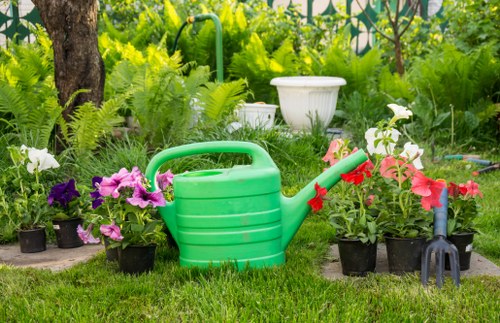
Most landscaping projects work best when they are planned in clear stages. That helps customers understand what is happening, what materials will be involved, and how the finished result will support everyday use. It also makes it easier to manage access in busy residential streets and keep the site organised from start to finish.
Typical steps include:
- Initial discussion: You explain what you want the garden to do, what is not working, and which areas matter most.
- Site assessment: The space is measured and assessed for access, drainage, slopes, sunlight, existing surfaces, and structural issues.
- Planning and suggestions: Suitable materials, layouts, and planting ideas are considered based on the space and your goals.
- Preparation: Existing features may be removed, ground levels adjusted, and the site cleared for new work.
- Installation: Paths, patios, borders, lawns, edging, fences, or other features are built and installed.
- Finishing touches: Planting, topsoil, gravel, mulch, and other details are added to complete the look.
- Practical handover: You are shown how the new space works and what simple maintenance it may need.
Good landscaping should feel considered from the start, not improvised at the end. The best results come from careful planning and a clear understanding of how the garden will be used once the work is complete.
Benefits of a professionally landscaped garden

A professionally designed and installed outdoor space can improve the way your property looks and functions in everyday life. In Waltham Forest, where many homes have limited outdoor space or gardens that need a smarter layout, the right landscaping can make a big difference.
Some of the main benefits include:
- Better use of space: A small or awkward garden can be divided into useful areas for sitting, planting, play, or storage.
- Improved appearance: Well-chosen materials and planting can lift the whole property.
- Easier maintenance: Low-maintenance surfaces and practical planting can reduce ongoing work.
- Better drainage and usability: Solving pooling or muddy areas makes the garden more pleasant in wet weather.
- Safer movement: Proper paths, steps, and level changes can improve access.
- More privacy: Screening, fencing, and planting can help create a more comfortable outdoor environment.
- Greater enjoyment: A better garden is more likely to be used, not just viewed through the window.
For many local customers, the biggest benefit is simply having a garden that feels finished. Rather than coping with uneven ground, tired paving, or overgrown beds, you get an outdoor space that supports daily life and feels more inviting from the moment you step outside.
That is especially valuable in family homes, where the garden needs to serve several purposes. A good layout can leave room for children to play, adults to sit and relax, and practical circulation around sheds, bins, or side passages.
Garden landscaping for different property types in Waltham Forest
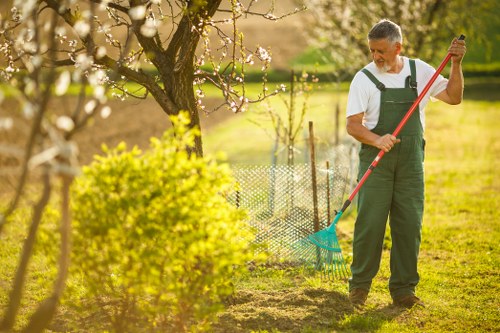
One of the strengths of local landscaping is the ability to adapt to different property styles. Waltham Forest includes a broad mix of housing and business premises, and each type brings its own design and access considerations.
Terraced houses and compact rear gardens
Many terraced properties have narrow rear gardens that need careful layout work. In these spaces, every metre matters. Smart landscaping may use defined zones, slim paths, vertical planting, and carefully chosen paving to avoid the feeling of clutter. A compact garden can still feel spacious if the design keeps sightlines open and avoids unnecessary features.
Semi-detached homes and family gardens
Semi-detached homes often have more room, but larger gardens can become underused if they are not planned well. These spaces may benefit from patios near the house, lawn for children or pets, planting along boundaries, and storage or seating areas positioned for convenience. If the garden is sloped or uneven, reshaping levels may also be part of the project.
Flats, shared grounds, and communal spaces
Communal areas need practical, durable landscaping that stays presentable with reasonable upkeep. This may include pathways, low-maintenance beds, shrubs that stay neat, and clear boundaries between shared and private areas. For landlords, block managers, and housing-related sites, a tidy exterior helps the whole property feel better cared for.
Commercial properties and trade premises
Businesses in Waltham Forest may need outside areas that create the right first impression while remaining easy to maintain. Landscaping for commercial properties often focuses on entrances, access routes, screening, and robust materials that stand up to regular use. A clean and organised exterior can help visitors feel more confident from the moment they arrive.
Design choices that work well locally
Choosing the right design for a garden in Waltham Forest is about more than preference alone. It should suit the climate, soil conditions, amount of shade, and the way the property is used. A good local team will consider these factors before recommending finishes or planting.
Some popular and practical choices include:
- Porcelain or natural stone paving: Useful for modern patios and clean, easy-to-maintain surfaces.
- Decorative gravel: Great for side passages, low-maintenance borders, and texture contrast.
- Raised beds: Helpful where soil quality is poor or you want a stronger visual structure.
- Evergreen planting: Keeps the garden looking fuller through winter.
- Mixed planting schemes: Add seasonal colour and interest without overwhelming the garden.
- Lawn alternatives: Useful in shaded areas or where low upkeep is a priority.
Drainage matters too. In a built-up area, heavy rain can quickly expose weak design choices. If water collects where it should not, the garden becomes difficult to use and can damage surfaces over time. Landscaping should take account of levels, runoff, and practical water movement from the outset.
Designing for sunlight, shade, and privacy
Waltham Forest gardens often face a mix of shade from neighbouring buildings, mature trees, fences, and outbuildings. That affects what will grow well and where seating should go. A thoughtful design will place sun-loving plants in brighter spots, use shade-tolerant planting where needed, and arrange seating so the garden is pleasant at different times of day.
Privacy is another important factor. In more closely spaced streets, screened planting, trellis, and well-positioned structures can make a garden feel more secluded without making it feel boxed in. The goal is to create comfort, not just cover.
What is included in a typical landscaping project
Every project is different, but customers usually want to know what they can expect from the service. A reliable garden landscaping process should be clear about scope and practical delivery from the beginning.
Depending on the work needed, this can include:
- Removal of old lawn, paving, soil, or unwanted features
- Levelling and ground preparation
- Edging and border definition
- Construction of patios, paths, or steps
- Installation of fencing, screens, or raised structures
- Topsoil, turf, or planting material supply and fitting
- Gravel, bark, or mulch application
- Basic drainage adjustments or surface improvements
- Final clean-up so the garden is ready to use
Some customers want a complete transformation, while others only need part of the garden upgraded. Both approaches are valid. It is often better to invest in the areas that will make the biggest day-to-day difference first, then phase the rest of the work later if needed.
Clear scope helps avoid misunderstandings. Before work begins, it is sensible to agree on what is being changed, what materials will be used, and how access to the property will be handled. That is particularly important in Waltham Forest, where rear access can be tight and parking may be limited near the site.
How to prepare for your garden landscaping work
Preparation is usually simple, but it helps the project run smoothly. A little organisation before the team arrives can reduce delays and make the work easier to manage.
Useful preparation checklist
- Clear personal items, pots, toys, and outdoor furniture from the work area where possible.
- Make sure access gates, side passages, and doors are available if needed.
- Identify any hidden issues you already know about, such as drainage problems, old concrete, or unstable boundaries.
- Discuss parking and loading arrangements in advance if the street is busy.
- Let neighbours know if there may be temporary noise or access disruption.
- Decide which garden features matter most so priorities are clear.
If you have pets or young children, think about how the work area will be separated during the project. Safe access and clear boundaries help everyone avoid inconvenience.
When the site is prepared properly, landscaping work usually progresses more efficiently and with less disruption. Even small steps like clearing a side return or moving fragile items indoors can make a noticeable difference.
Pricing factors for garden landscaping in Waltham Forest
It is natural to want an idea of cost before committing to a project, but landscaping prices vary depending on the size of the space, the condition of the site, and the materials chosen. Rather than giving misleading fixed figures, it is better to understand the factors that influence the final quotation.
Common pricing factors include:
- Garden size and shape
- Amount of excavation or clearing needed
- Access to the rear garden or site
- Whether existing features need to be removed
- Choice of paving, decking, turf, gravel, or planting materials
- Complexity of the layout and any level changes
- Drainage requirements
- Fencing, edging, or retaining work
- Labour time and project duration
In a borough with many terraced streets and limited access, logistics can influence the quote just as much as the visible work. For example, a garden that is easy to reach from a driveway will usually be simpler to work on than a back garden accessed through a narrow passage and multiple steps.
When you request a quote, it helps to explain the current condition of the garden and the result you want. Photos, rough measurements, and a short list of priorities often make the process easier and more accurate. Request a free quote when you are ready to compare options and plan the next step.
Why choose a local company for landscaping work
There are practical advantages to choosing a local team for garden landscaping in Walthamforest. A nearby company can usually respond more easily, understand the area’s housing stock, and plan around local access issues. That familiarity helps when the project involves narrow roads, shared boundaries, or work that needs careful coordination with neighbours and residents.
Other reasons local customers often prefer a nearby service include:
- Better understanding of local property layouts and garden sizes
- Experience with compact spaces and awkward access
- Quicker scheduling and easier site visits
- More practical planning around deliveries and waste removal
- Familiarity with both domestic and commercial outdoor spaces
- Simple communication during the project
A local landscaping service should also be able to suggest materials and layouts that suit the way gardens in this part of East London are actually used. That matters whether the goal is a family-friendly lawn, a stylish courtyard, a low-maintenance rental property garden, or a tidy business frontage.
Book your service now if you want the benefit of local knowledge and a practical approach to outdoor space.
Areas covered across Waltham Forest and nearby neighbourhoods
Garden landscaping services in Waltham Forest often cover a wide range of neighbourhoods and nearby places. This is useful for homeowners, landlords, and businesses who need a team that can work across the borough without added complications.
Areas commonly served include:
- Walthamstow
- Leyton
- Leytonstone
- Chingford
- Woodford
- Highams Park
- Blackhorse Road area
- South Chingford
- Upper Walthamstow
- Nearby East London residential and commercial locations
If your property sits near the boundary of the borough, it may still be possible to arrange work depending on the project size and access requirements. The key is to share the location details and garden type early so the service can be planned properly.
Frequently asked questions
Can you help with small gardens?
Yes. Small gardens are very common in this area, and they often benefit the most from thoughtful landscaping. Even a modest space can become more usable with better layout, clear borders, compact seating, and planting that avoids overcrowding.
Do you work on front gardens as well as back gardens?
Yes. Front gardens can improve kerb appeal, add structure, and make a property feel better maintained. They may also need practical surfacing, screening, or planting that stays neat through the year.
What if my garden has poor drainage?
Drainage issues are common in urban gardens and should be dealt with as part of the design. Depending on the situation, the answer may involve regrading, permeable surfaces, better soil structure, or changes to the way water leaves the site.
Can landscaping be done on a rented property?
Often, yes, but it depends on the arrangement with the landlord or managing agent. Many rental properties benefit from low-maintenance improvements that make the garden easier to keep tidy without major permanent changes.
Will the work be disruptive?
Any landscaping project creates some disruption, but good planning helps keep it manageable. Access, waste removal, and material storage are all considered before work starts, especially on busy streets or tight plots.
Do I need a full redesign?
Not necessarily. Some gardens only need targeted improvements such as a new patio, a better lawn area, updated planting, or fresh borders. A partial redesign can still make a meaningful difference.
How do I get started?
The simplest first step is to share what you want to improve and what the current garden looks like. From there, you can request a quote and discuss the best way to move the project forward.
Commercial landscaping and property care
Businesses and property managers in Waltham Forest also benefit from well-planned outdoor spaces. Commercial landscaping is not only about appearance; it is also about keeping access areas tidy, reducing hazards, and making external spaces easier to manage over time.
Commercial customers may need help with:
- Office and workplace entrances
- Shared courtyards
- Retail frontage improvements
- Boundary screening
- Low-maintenance planting beds
- Safe footpaths and access routes
- General external presentation
For landlords and managing agents, a professional outdoor finish can support tenant satisfaction and simplify ongoing upkeep. For businesses, a clean and attractive exterior helps the property feel more organised and welcoming, which matters whether the site is client-facing or staff-focused.
Choosing the right approach for your garden
No two gardens in Waltham Forest are exactly alike, so the best landscaping approach depends on your goals. If you want more family space, the layout may prioritise lawn and open ground. If you want something stylish and low maintenance, the design may use paving, structured beds, and resilient planting. If privacy matters most, screening and boundary planting may take priority.
It is also worth thinking about how the space changes through the year. A good design should feel useful in summer, sensible in winter, and easy to maintain in between. That does not mean the garden needs to be complicated; in many cases, the most effective solutions are the simplest ones done properly.
Good landscaping should suit your routine, not just your taste. The most successful projects make daily life easier, provide the right balance of hard and soft surfaces, and create an outdoor area you actually want to use.
Ready to improve your outdoor space?
If you are planning garden landscaping in Waltham Forest, now is the right time to start shaping a space that feels practical, attractive, and suited to your property. Whether you need a full redesign, a new patio, improved planting, or a low-maintenance garden refresh, a local team can help you make informed choices and move forward with confidence.
Contact us today to discuss your garden, request a free quote, or book your service now.